Arcane 3.0 Lands With a Rebuilt Dashboard — but Read the Migration Guide Before You Pull
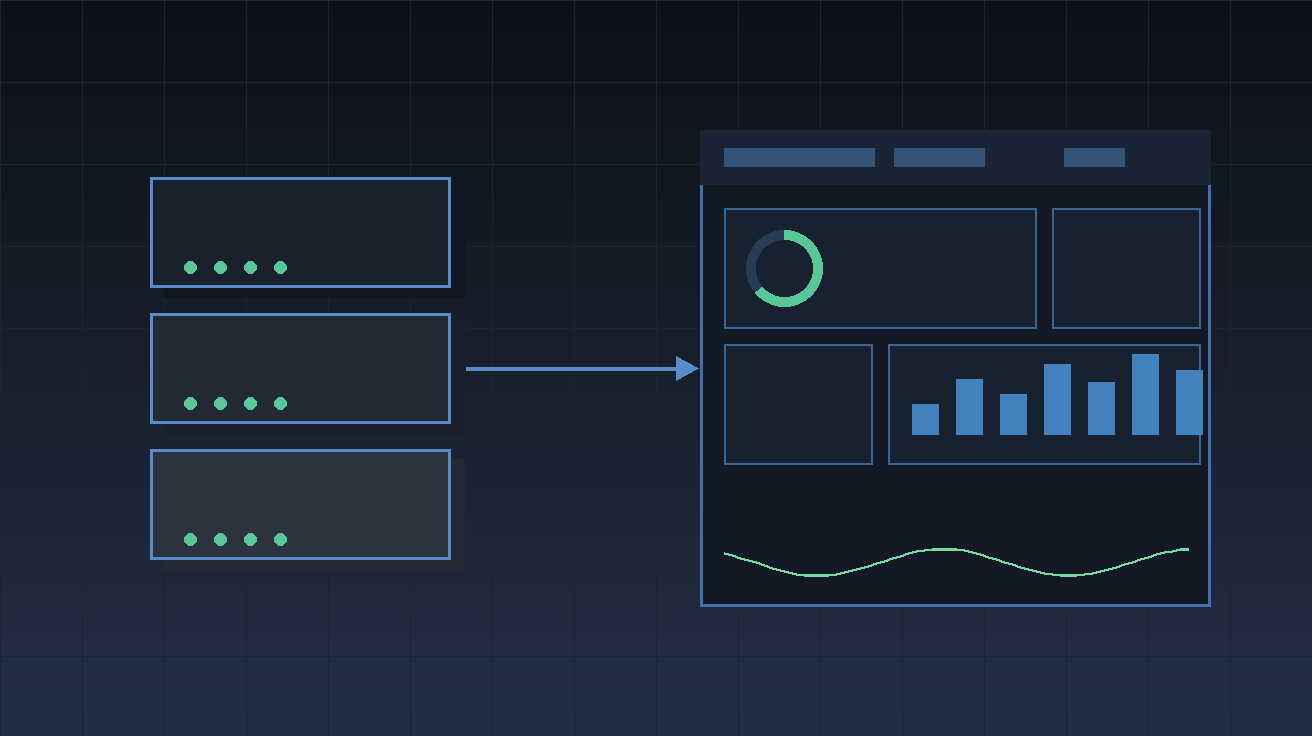
Arcane v3.0.0 was released on November 14, the first major version bump for the self-hosted Docker management UI that has become one of the homelab's favorite Portainer alternatives. The headline items are a redesigned dashboard with customizable widget layouts, a rebuilt activity center, live streaming upgrade progress, and expanded backup and GitOps capabilities — alongside performance, security, and agent improvements. But the part that matters most for anyone already running it is at the bottom of the notes: breaking changes to image names, configuration variables, and agent protocols that require a sequenced migration. Pulling latest blind will leave the manager refusing to start.
Arcane itself is a free, open-source Docker manager — the project homepage puts it plainly as always free, with no change planned — that runs as a single container and manages local and remote Docker hosts, Compose projects, images, volumes, networks, and auto-updates through a modern web UI. Independent tracking ranks it first of 44 container-management projects with roughly 8,300 GitHub stars, about 520 of them added in the last 30 days, and 34 stable releases in the past year under a BSD-3-Clause license. Release tracker newreleases.io logged the v3.0.0 tag within hours of publication.
What is new in 3.0
The dashboard is the visible change: customizable saved layouts, a free-form widget grid, per-environment reclaimable-space figures, and configurable widgets with label filters, plus grid views for lists and refreshed status details with health icons and memory-usage rings. The activity center was redesigned alongside the overall layout, tabs, badges, tables, log viewer, and loading bar.
Underneath, the upgrade engine got the most operationally relevant work. Upgrades now stream live progress and logs for individual and all-environment upgrades, aggregate activity across environments, and surface richer update detail — commit notes for next-channel updates, image release notes, creation dates, and Docker Hardened Image status. Two additions stand out for homelabbers running auto-updates: image scanning now resolves images to their repository digest and can scan selected images by ID, and there is new vulnerability-based update blocking with improved risk scoring, so an update can be held back when the incoming image carries known vulnerabilities.
Backups and GitOps both expanded. System backups now extend to remote environments with better volume-backup retention and pruning, cross-environment backup listings, and tuned scheduled pruning. GitOps sync gains repository and branch defaults, synced-commit recovery, Compose override selection, and sync environment variables, plus support for multiple project directories. Agents were reworked too: edge agents are renamed to Arcane agents, the polling agent is gone in favor of reusable enrollment tokens, and agent connection recovery, tunnel restarts, and mTLS enrollment all improved. Security hardening covers password-change enforcement and policy settings, security headers, WebSocket limits, path validation, a patch for an Echo framework IP-header spoofing issue, and stricter API-key validation.
The breaking changes come first, not the features
The official migration guide is mandatory reading because 3.0 will not start on an unprepared setup. The sequence, in order:
- Upgrade to 2.17.3 first and start the manager and every agent on it once. Older databases stop 3.0 from starting.
- Back up everything: the Arcane database, Compose and env files, and the projects directory. The only supported rollback to 2.x is restoring this backup.
- Rename the images. The old
ghcr.io/getarcaneapp/arcaneimage becomesghcr.io/getarcaneapp/manager, with a matching agent image. Only the tag changes on Docker Hub and Quay. - Prefix every variable with
ARCANE_— and deleteJWT_SECRET,EDGE_MUX_DISABLED, andEDGE_TRANSPORT=poll. Two renames are traps:ANALYTICS_DISABLED=truebecomesARCANE_ANALYTICS_ENABLED=false, andUPDATE_CHECK_DISABLED=truebecomesARCANE_UPDATE_CHECK_ENABLED=false. The old names are silently ignored, so skipping them quietly re-enables analytics and update checks. - Upgrade everything together: manager, every agent, and
arcane-climust all run 3.0, and former direct agents must re-enroll under the new token scheme.
If the manager stops after docker compose up -d, the log lists each variable that still needs renaming — check there before assuming data loss.
Why a homelabber should care
If you run a dozen-plus containers across a NUC, a NAS, and a VPS, a central manager with remote agents, digest-pinned scanning, and vulnerability-gated updates is exactly the layer that keeps weekend maintenance from becoming incident response. The remote-environment backup expansion matters for the same reason: the box you forget to back up is always the remote one. And the migration's sharp edges are a reminder of the standard rule for any stateful homelab service — snapshot or back up the data volume before a major-version jump, pin the image tag rather than floating on latest, and read the migration notes before the changelog.
Catches and open questions
A few caveats before you upgrade tonight. This release is roughly a day old, so there is no meaningful third-party testing or community upgrade-report volume yet — the release notes and migration guide are the vendor's own words, corroborated so far only by independent release trackers confirming the tag and timing. The ARCANE_-prefix rule has a silent-failure mode: misspelled or leftover old names are ignored rather than rejected (except that the log does flag variables needing renames at startup), so diff your env file deliberately. Anyone relying on the removed polling agent transport or on scripts built against the 2.x CLI and API must port them — the notes list removed CLI flags, configuration fallbacks, and API changes. And if you depend on auto-updates working unattended, test the new vulnerability-blocking behavior on one non-critical stack first; a gate that holds back updates is only as good as its risk scoring on your images.
Still, the shape of this release is healthy: a fast-moving, permissively licensed, self-hostable Docker manager consolidating its configuration scheme and hardening its update pipeline at version 3. Just take the stepping-stone — 2.17.3, backup, rename, then 3.0 — and it should be an uneventful Saturday upgrade.
Comments (0)
Log in to comment.