LXD 6.10 LTS Is Out — a Stable Container and VM Base for Your Homelab Through 2031
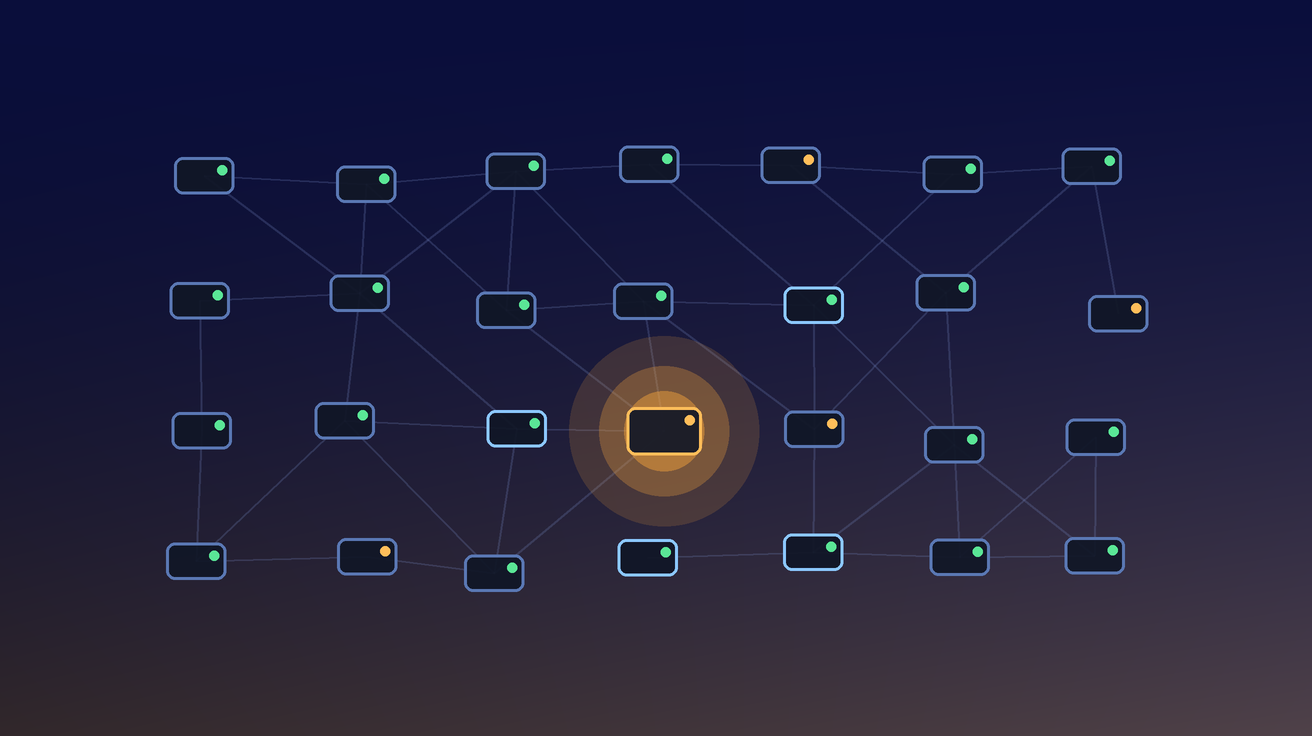
Canonical released LXD 6.10.0 on October 19, the first long-term-support release of the LXD 6 series and the version it now recommends for production use. LXD is the open-source system container and virtual-machine manager that many homelabbers run as a lighter alternative to a full hypervisor stack — one daemon that hosts both LXC containers and KVM virtual machines on the same box. Standard support runs five years, through June 2031, with extended coverage via Ubuntu Pro until 2036, and the release ships alongside MicroCloud 3.4.0 LTS, which bundles LXD 6.10.0 with MicroCeph Tentacle and MicroOVN 26.03 on Ubuntu 26.04 LTS.
What changed
The headline feature is server-side image registries: administrators get a unified view of the image sources a cluster may pull from, and projects can be restricted to approved registries with a new restricted.registries key. Another LXD cluster or a Simple Streams server can serve as a source, which makes sharing golden images between a home cluster and an off-site box cleaner than passing URLs around.
Disaster recovery gets the biggest functional upgrade. Replicators now support asynchronous Ceph RBD mirroring, so a standby cluster receives storage updates through Ceph's native mirroring instead of userspace block transfers, with LXD handling promotion and failover — plus new Prometheus metrics and recovery-point tracking so you can actually monitor replication health. For backups, persistent changed block tracking for VM volumes uses QEMU dirty bitmaps so external backup tools copy only changed blocks instead of whole disk images — but Canonical labels it a feature preview that "must not" be enabled in production, so treat it as a preview, not a backup strategy yet.
Networking and clustering pick up practical pieces: health checks for OVN load-balancer backend pools with configurable failure thresholds, unidirectional and public cluster links for one-way or credential-free connections between sites, and durable operations that resume on the raft leader if the executing node drops. GPU users note: NVIDIA and AMD passthrough now goes through the CDI standard, including MIG slices and iGPU passthrough, which matters if you hand a GPU to a container running local-AI inference. The web UI gains a real dashboard covering instances, projects, cluster members, storage, and warnings, plus profile copying between projects and file uploads from the instance file explorer.
Two breaking changes to check before upgrading
Legacy NVIDIA instance options (nvidia.runtime, nvidia.driver.capabilities, and friends) have been removed — old configs are cleaned up automatically on daemon upgrade, but any GPU passthrough still on the legacy settings must move to CDI. And the cluster-healing feature and its cluster.healing_threshold setting are gone: automatic evacuation of unresponsive members was discontinued to avoid accidental quorum loss during transient network partitions, so multi-node clusters now fail safer but need manual intervention.
Two known issues are worth a look. LXD's bundled Ceph tooling is incompatible with the newest Ceph OSD release: new deployments should stay on MicroCeph builds before Tentacle 20.2.4 or Squid 19.2.6, and existing deployments must not rotate keys after upgrading MicroCeph past those versions. Separately, GPU passthrough to containers fails on Ubuntu Core 26 due to an upstream snap mismatch, with no LXD-side workaround yet.
Should you act
If you run LXD on the 6.x feature releases, this LTS is your stability landing spot: install or pin it with sudo snap install lxd --channel=6/stable, noting the rollout is progressive so the channel may lag by days. Under the hood it ships QEMU 10.2.1, LXC and LXCFS 7.0 LTS, and updated ZFS branches, plus fixes for Windows BIOS-boot guests and VM live migration between hosts with different CPU counts. If you are on the older 5.21 LTS, there is no rush — but audit any legacy NVIDIA GPU options and any reliance on cluster healing before you make the jump. Canonical is running a MicroCloud LTS overview webinar on October 29 if you want the guided tour first.
Comments (0)
Log in to comment.