PorteuX 2.9 Lands with Linux 7.3.1 and a Full Stability Overhaul
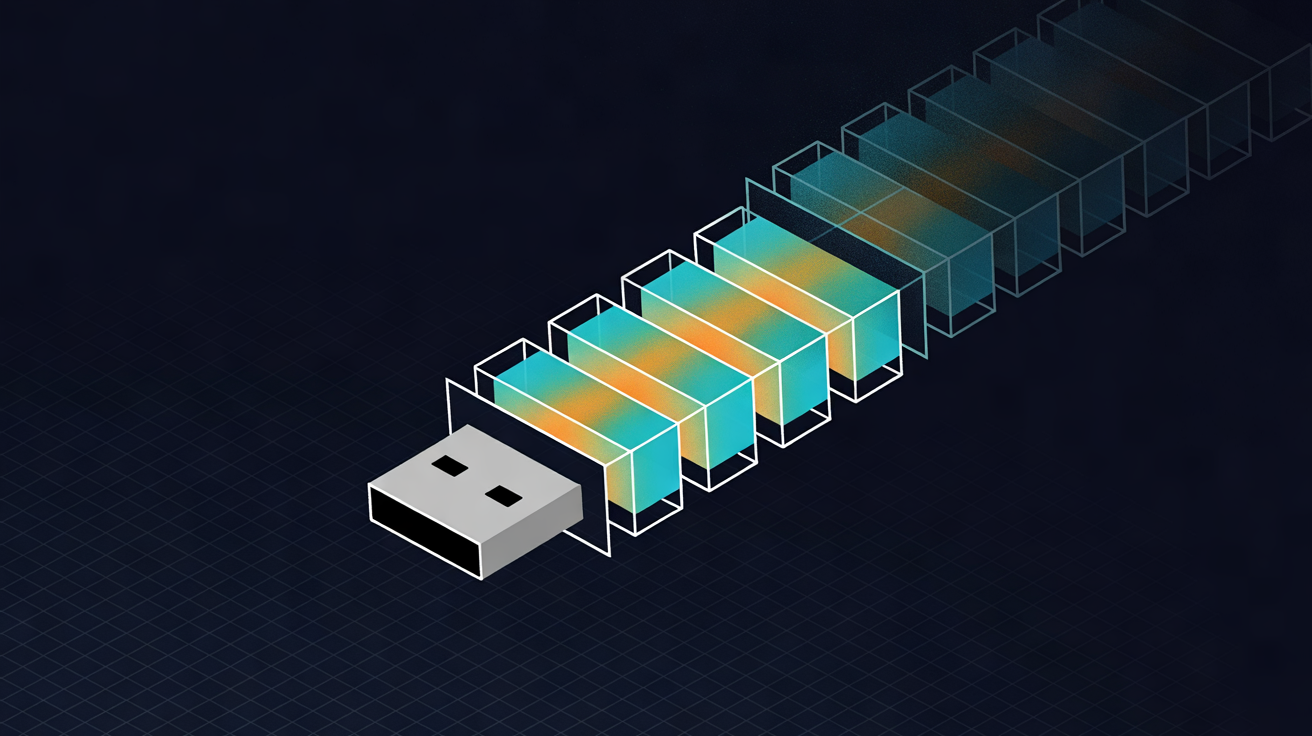
The PorteuX project released version 2.9 on November 1, a Slackware-based portable distribution built to run live from USB in fast, small, modular form. Where many point releases chase features, this one is explicitly about hardening: the announcement opens by saying the release is mostly about stability, after every part of the runtime code went through an in-depth review. 9to5Linux and LinuxAdictos confirm the same highlights, and DistroWatch lists it among the week's new distribution releases.
The headline work is invisible by design. The initrd, the rc boot scripts, the distribution's own porteux-scripts, and the installer were all reviewed line by line, fixing bugs and making privileged operations safer. The kernel moved to Linux 7.3.1 with performance work aimed squarely at how a modular live distro behaves: faster zstd decompression for compressed modules, page-cache reads without locking, and a lighter file-open path, all of which speed up module loading and general disk access.
What changed
Desktop editions get the expected refreshes: KDE Plasma 6.8.2, GNOME 51.1, COSMIC 1.11.0, Xfce 4.20, LXQt 2.4, Cinnamon 6.6.9, MATE 1.28.2, and LXDE 0.11.1, each shipped as its own live ISO for 64-bit machines. Graphics move forward with the NVIDIA 615.78.08 proprietary driver, missing firmware for Qualcomm Bluetooth and Cirrus audio devices, and the dependencies MPV needs for Vulkan playback. The COSMIC edition gains its native cosmic-viewer, KDE's Dolphin picks up PDF thumbnails, and the classic wget is replaced by wget2. Kernel-side, IO_URING is now enabled, which some newer window managers require.
Security gets two concrete fixes: system shadow files are no longer world-readable, and world-writable configuration files were removed. The bug-fix list is long and practical: Chrome and LibreWolf crashing, boot cheatcodes breaking when porteux.cfg is edited on Windows, modules activated through symlinks never releasing their loop device, leftover processes surviving until after filesystems unmount at shutdown, and virtual machines failing to boot from virtio storage. Laptop owners get fixes for microphones on some AMD machines, battery charge limits and keyboard backlights on Dell hardware, and brightness keys plus lock-screen rendering on KDE Plasma, alongside a batch of GTK-theme and dialog fixes across Wayland sessions. Xfce gains a small quality-of-life change: files can now be dragged out of a background window without first bringing it to focus. The KDE edition also sheds weight, dropping packages including kwin-x11, openblas, and opencv.
Why this matters if you run a homelab
PorteuX occupies a niche few mainstream distros serve: a full desktop that boots in seconds from a USB stick, runs entirely in RAM, and lets you stack or remove software as compressed modules instead of installing packages. That makes 2.9 directly useful as a rescue and diagnostics stick for unbootable machines, a disposable workshop terminal for flashing firmware or testing hardware, or a clean-room environment for verifying a new build before committing an install. Shipping kernel 7.3.1 with current desktops means recent Wi-Fi, Bluetooth, and GPU hardware is likely to work out of the box on the live image, and the virtio-boot fix matters if you test images as VMs before writing them to USB. The cheatcode and installer fixes also remove real friction for anyone who customizes the boot config or installs PorteuX to disk from the live session.
What to do about it
Nothing urgent: this is a feature and stability release, not a security patch, so no running system needs emergency attention. If you keep a rescue USB in the drawer, this is a good moment to reflash it with the 2.9 ISO matching your preferred desktop from the project's GitHub releases, and to re-check any custom porteux.cfg cheatcodes against the fixed behavior. If you run PorteuX installed to disk, the same release notes double as your upgrade checklist. One open question is packaging cadence: PorteuX tracks Slackware Current, so individual application versions keep moving between these snapshots, and the release notes point to upstream updates rather than enumerating every one.
Comments (0)
Log in to comment.