Linux 7.4-rc3 Test Drive: the Biggest Kernel Gets a Tune-Up

Companion guide to the video walkthrough: Linux 7.4-rc3 Test Drive: the Biggest Kernel Gets a Tune-Up
This guide is the checkable companion to the rc3 test-drive video: what release candidate 3 of Linux 7.4 is, which fixes matter for homelab hardware, what a sandbox VM boot actually proved, and the safe rules for trying it yourself. Auto-subtitles were available and match the video description, so both ground the quotes and numbers below. One warning up front, straight from the video: a release candidate is not production-ready, so never put it on a machine you depend on.
What rc3 actually is
- Linux 7.4-rc3 is the third weekly test release of the 7.4 kernel, tagged November 15 2026, with the final release expected near the end of December.
- The 7.4 merge window is the largest in kernel history at nearly twenty thousand changes, which is why the video calls 7.4 the biggest kernel ever.
- Linus describes rc3 as another big one with the usual noise all over: mostly tiny patches, with networking and graphics drivers leading, plus a larger storage-layer calling-convention cleanup and SMB client fixes riding along.
- The kernel.org roster currently reads mainline 7.4-rc3 with stable 7.3.5 alongside it, and the rc3 tag plus the LWN-published announcement carry the full shortlog.
- This test-drive is a different job from the prior-cycle companion Linux 7.3 Likely 2026 LTS: Should You Switch?: that guide is an LTS decision matrix, while this one is a sandbox test method plus verdict for a release candidate.
The fixes worth knowing
- USB sticks and memory cards. The FAT filesystem wasted time grabbing disk space in tiny pieces every time a file grew, and one developer rewrote that path. His lab test dropped a file-growing job from almost 59 seconds to about a third of a second, roughly 162 times faster.
- Read the fine print with the video: that 162x number is the developer's lab result on a virtual machine with the slowest, safest mount option, measuring only the file-growing step, and it was not re-benched for this guide. Real copies will feel faster, just not by that exact number.
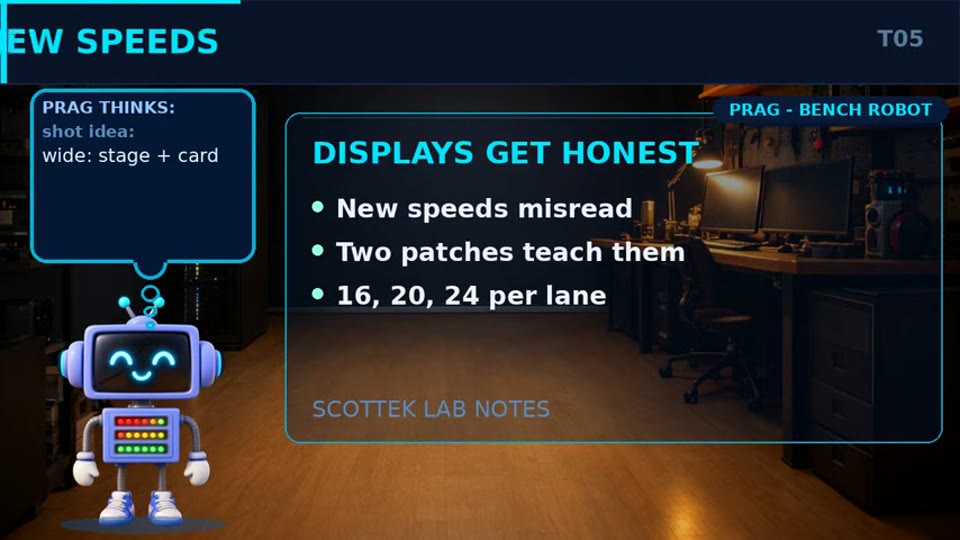
- New displays. The newest HDMI standard adds faster per-lane connection speeds, and the graphics driver misread the signal and fell back to a slower mode. Two small patches teach it the new speeds: 16, 20, and 24 gigabits per lane.
- Smarter laptop graphics. The chip can now skip an expensive safety step automatically when the setup allows it, and the shortcut switches back off the moment protection is needed.
- Data-loss prevention. A batch of memory-management fixes covers bugs that sat there for years: leaked pages, writes past the end of a check, and lost data when big memory pages split apart. All are marked for the stable updates too.
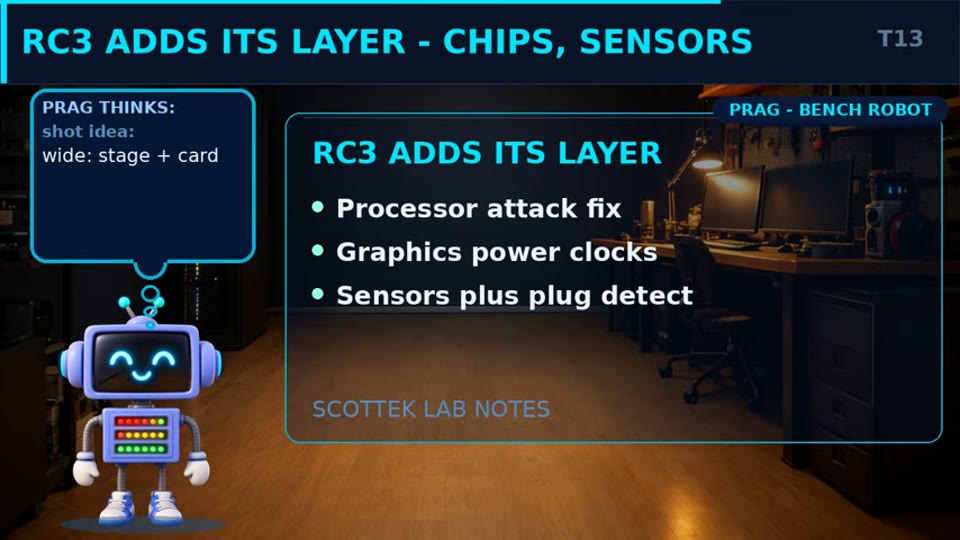
- Two security notes. A protection against one processor attack was being skipped on some machine setups, and that is fixed. On the networking-filter side, the maintainer says fixes now land faster than new bug reports, and Linus says he believes it, cautiously.
- The rc3 layer. A new speculative-execution fix for one processor family, power-saving clock modes for recent graphics cards, a sensor-chip reading fix for motherboard voltages and fans, better plug detection for next-generation laptop ports, plus Windows file-sharing client fixes and a power-management batch already queued for rc4.
Sandbox test: what really ran
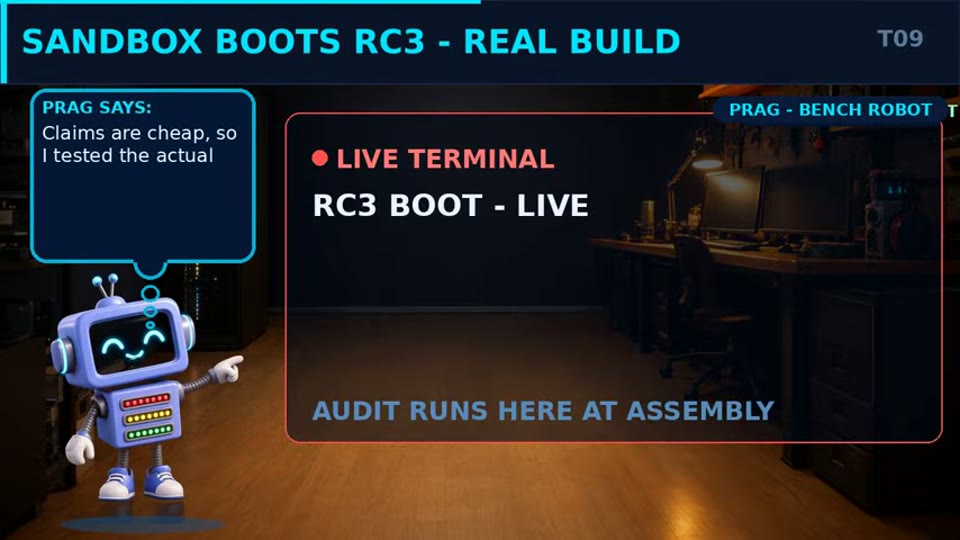
- The video tested the real release candidate on a sandbox virtual machine with four cores and eight gigabytes of memory, using the official Ubuntu mainline test build of rc3 with a mid-November build date, listed at kernel.ubuntu.com.
- It booted in about ten seconds flat:
systemd-analyzereported 1.699s kernel plus 8.552s userspace, 10.251s total, a hair quicker than the stock kernel on the same box. - The build string checks out on camera:
unamereports 7.4.0-070400rc3, build 202611152338, a genuine mainline compiler stamp from mid-November. - The kernel log shows exactly four warnings, and every one is virtual-machine noise: a bridge the emulator does not implement, a radio database that is not installed, and chat channels with no one home. Nothing comes from any of the new code paths.
- One honest gap, stated on camera: the famous filesystem speedup could not be rerun here because the test box has no disk-formatting tools and no network to fetch them, so that number stays credited to the developer's lab test.
Safe test-drive rules and verdict
- Use a virtual machine with a snapshot, install the test kernel next to your current one, and keep the old kernel in the boot menu.
- Never put a release candidate on hardware you need for work. Test boxes and rebuildable machines only.
- The verdict from the bench: rc3 boots clean, logs clean, and carries real fixes for old storage, new displays, and years-old memory bugs. If you test kernels, this is the week to jump in, and the boring part is the point: no crashes, no new warnings, ten-second boots.
- Release candidate 4 lands around November 22, and the final release should arrive just before Christmas. If you came from the 7.3 LTS question, re-read the prior-cycle companion Linux 7.3 Likely 2026 LTS: Should You Switch? before deciding anything about your main machines.
Sources and credit
- The fix tour, the 162x fine print, the sandbox method, the boot numbers, and the verdict are the video's, checked above against its auto-subtitles and description.
- Independently re-verified with
curlon November 20 2026: the kernel.org front page and release roster (mainline 7.4-rc3 tagged November 15 2026, stable 7.3.5), the Ubuntu mainline v7.4-rc3 build listing (build stamp 202611152338), and the LWN-published rc3 announcement (Linus quote and November 15 date). - Two primaries bot-walled this pass and are cited secondarily with that disclosed: the lore.kernel.org archive of the announcement and the Phoronix rc3 report (November 15 2026, build date and display plus mitigation coverage) both refused automated fetches, so claims reaching this guide through them are video-attributed and labeled as such.
- The FAT32 162x figure is the developer's lab number (58.9 seconds to about 0.36 seconds on the slowest setting), quoted as his, not the video's bench result, and no spare USB disks were available to rerun it.