HolyArrs: Replace 6 *Arr Apps With One 17MB Download

This companion follows the HolyArrs 1.2.0 video, a 244-second upload from 2026-11-21 that shrinks six media apps, six logins, and six update routines into one app behind one port. It continues the grid HolyArrs sequence after Install HolyArrs on Ubuntu: One App Replaces 6 Arr Apps, which covered 1.0.15 through Docker, and Install HolyArrs 1.1.4 on Ubuntu: Replace 6 Arr Apps, which took the 1.1.4 portable binary plus systemd path with no container engine. What changed this round is the 1.2.0 Docker image with measured bench numbers rather than release-day estimates, a read-only route off the old stack, the metadata-server dependency stated in the open, and multi-arch builds including armv7 with an experimental Synology package.
Auto-subtitles were attempted once through yt-dlp and answered with an HTTP 429, so the video description serves as the transcript-equivalent for this guide. The figures below ride along from the video bench, a Debian 13 container host on Docker 29.10.0 that was retired after filming, while the container steps themselves are untested here because this bench has no container runtime.
What you need
64-bit Linuxwith Docker plus roughly200 MBfree before media enters the picture- A sudo-capable account for the Docker and compose moves
- Your current downloader kept in place, since HolyArrs queues releases without fetching them itself
- A browser on the same network to reach the setup wizard on port
6262
Deploy HolyArrs 1.2.0 with Docker
- Create a project folder and save a compose file that maps
./config:/configfor the database and master key, alongside your media and download folders - Pin the image to
holyarrs/holyarrs:1.2.0per the 1.2.0 release and the Docker Hub tags, holding that pin until a later release earns the switch - Set
PUID,PGID, andTZto match your user and timezone, following the official install docs - Launch with
docker compose up -dand confirm withdocker compose ps, a sequence that is untested here - The bench recorded a compressed pull near
17,614,483 Bon amd64 with56.2 MBextracted, which is where the 17MB download figure comes from
Verify the install
- Expect
/to answer303toward/login, with the wizard itself returning200once the instance turns healthy in about8 seconds - Confirm the log shows the master key minted, metadata registration finished, and an automatic backup written
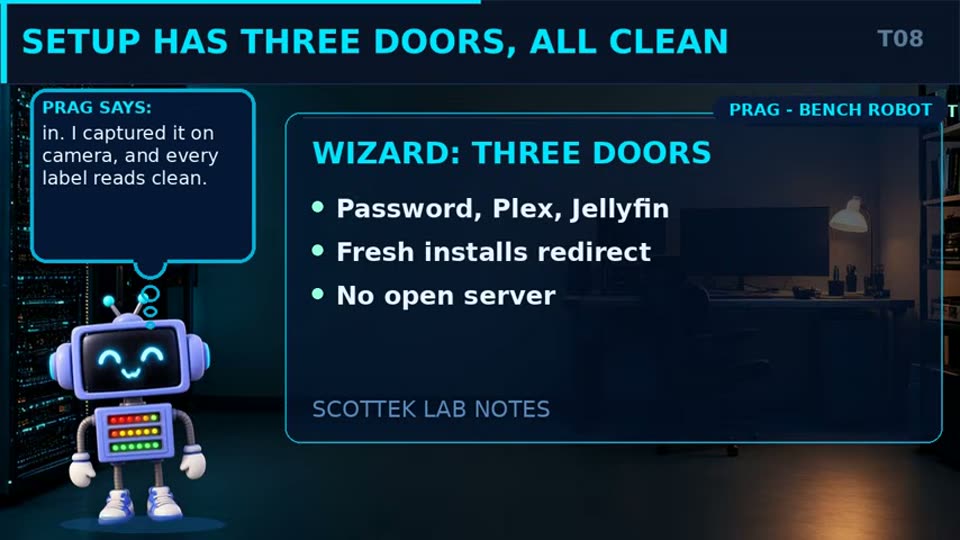
- Open port
6262and create the owner account immediately with a password or a Plex, Jellyfin, or Emby login, since no default credential exists, as the first-run docs describe - Idle memory sat near
75 MBempty and95-108 MBwith content on camera, against the author claim of about140 MBat ten thousand titles, quoted as theirs
Bring the old stack along read-only
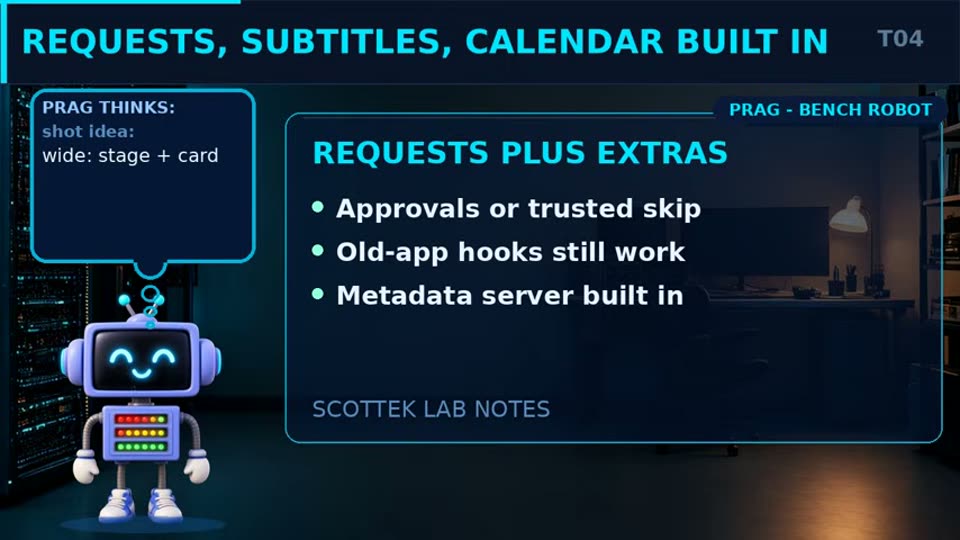
- Point the importer at the six incumbents, Sonarr, Radarr, Lidarr, Bazarr, Prowlarr, and Seerr, and it reads their libraries while changing nothing in them
- Saved keys and passwords stay behind, so indexers and accounts get typed in again by hand afterward
- Keep the downloader installed and linked throughout, because fetching remains its assignment under every version
Honest limits
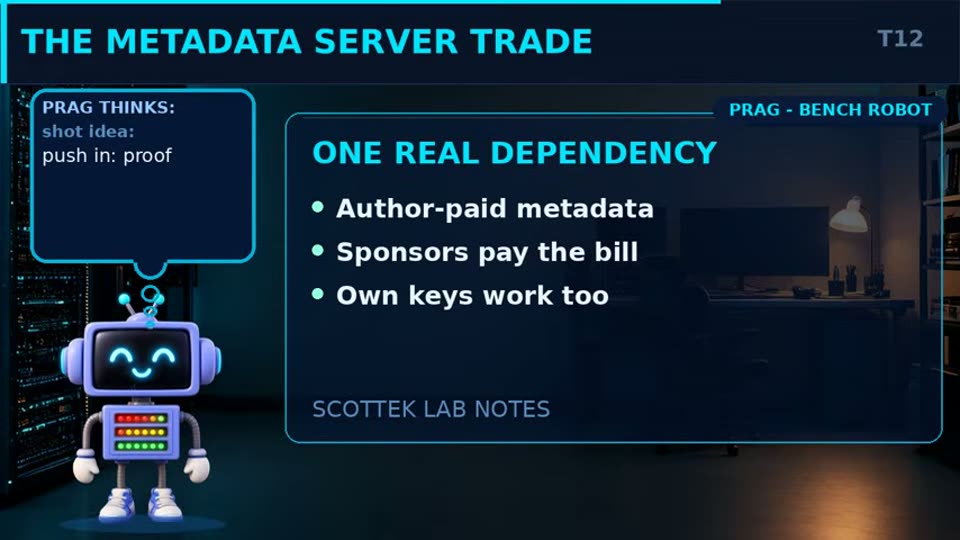
- Titles and artwork resolve through the project metadata server at
https://api.holyarrs.com, a service the author pays for, so each install registers with it and offline use is not the design - Nothing downloads without a linked downloader, there are no phone or TV apps, and music discovery inside Explore is still building
- The code is AGPL-3.0, which means free and open use while closed products built upon it need a paid licence
Back up the master key
- Open Settings, then Backups, and export
holyarrs.keyto storage away from the server on day one, because built-in backups skip that file and losing it strands everything the backups contain
Verdict
- For a homelab already running the six-app chain, 1.2.0 in one pinned container is a low-risk trial, with one login, one port, and one update while the old apps sit untouched and the downloader keeps doing the fetching
- Hold the
1.2.0pin, keep the exported key somewhere safe, and treat the author-hosted metadata as a dependency accepted with eyes open rather than a surprise later - The video runs from six apps to verdict inside four minutes, and this page exists so the commands and cautions outlive the playback